


VESSEL ARRIVAL PREPARATIONS: THE RIGOROUS PROCEDURES BEHIND EVERY SUCCESSFUL VOYAGE
Ensuring a vessel arrives at port safely and on schedule requires thorough preparation well in advance. This includes completing documentation, conducting technical inspections, arranging personnel and equipment, and coordinating with all relevant parties. A well-structured preparation process helps minimize waiting time, reduce operational risks, and ensure that port operations can proceed smoothly as soon as the vessel berths.
1. Completing Administrative Formalities and Vessel Documentation
Before the vessel arrives, the ship’s agent and Master must confirm the ETA (Estimated Time of Arrival) and prepare the required information for submission to the port and relevant authorities in accordance with applicable regulations.
- Crew Documentation
The crew list, passports, seafarers’ documents, and other relevant records must be checked before arrival. These documents provide the basis for personnel verification and control, as well as for handling crew embarkation, disembarkation, or crew changes, where applicable.
- Cargo Documentation
For cargo vessels, the cargo manifest and stowage plan provide essential information on cargo types, quantities, weights, and stowage locations. This enables the port to plan manpower, equipment, and cargo-handling operations in advance.
For dangerous goods, out-of-gauge cargo, or cargo requiring special handling and storage conditions, all relevant information must be carefully verified to ensure safety throughout port operations.
2. Completing Quarantine Formalities
Before the vessel commences operations at port, the required health-related declarations and quarantine documentation must be prepared in accordance with applicable regulations.
Depending on the vessel’s voyage, previous ports of call, and the requirements of the port concerned, the relevant authorities may inspect crew health conditions, vessel sanitation, and the vessel’s port-of-call history. Required documentation may include a Maritime Declaration of Health or a Ship Sanitation Control Certificate, as applicable.
In particular, information contained in vessel documents, crew lists, and declarations submitted by the ship’s agent must be consistent, accurate, and updated promptly to avoid unnecessary delays.
3. Conducting Technical Checks Before Entering the Port Approach Channel
As the vessel prepares to receive clearance to enter the port approach channel, technical checks are carried out in parallel on the bridge, in the engine room, and on deck.
- Propulsion and Control Systems
The engine department checks the main engine, ahead and astern propulsion capability, control systems, and power supply to ensure that the vessel is ready for manoeuvring.
This is particularly important when navigating narrow channels or operating near berths, where manoeuvring space is limited and there may be little time to respond to technical failures.
- Steering and Navigational Equipment
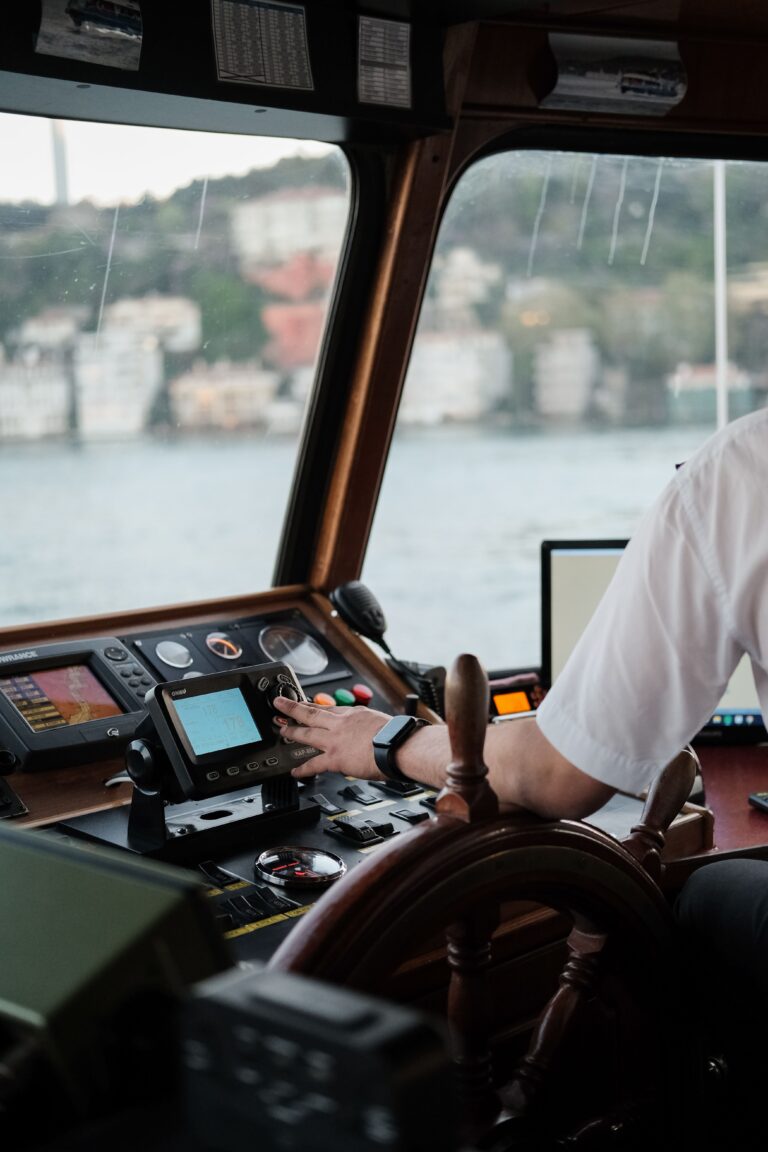
The main and auxiliary steering systems, radar, positioning equipment, compass, and VHF radio are checked before the vessel enters the channel.
All equipment must be in proper working order to maintain reliable communications and ensure effective coordination with the pilot, tugboats, port authorities, and surrounding traffic throughout the manoeuvrin
4. Preparing Forward and Aft Mooring Stations and Mooring Equipment
As the vessel approaches the port, crew members are assigned to the forward and aft mooring stations in accordance with the planned manoeuvring arrangements.
Mooring lines, mooring winches, winch drums, and braking systems are inspected and made ready for operation.
As mooring lines can be subjected to extremely high tension, crew members must maintain safe positions and stay clear of snap-back zones and other hazardous areas where lines may recoil or move suddenly. Strict compliance with mooring safety procedures is essential to prevent accidents during line-handling operations.
5. Pilot Boarding and Tugboat Coordination
At ports where pilotage is compulsory or required, the vessel must prepare a safe pilot boarding arrangement, including a pilot ladder rigged in accordance with applicable safety requirements.
Once on board, the pilot works with the Master and deck officers to establish the manoeuvring plan, taking into account channel conditions, berth layout, weather, tides, and traffic density.
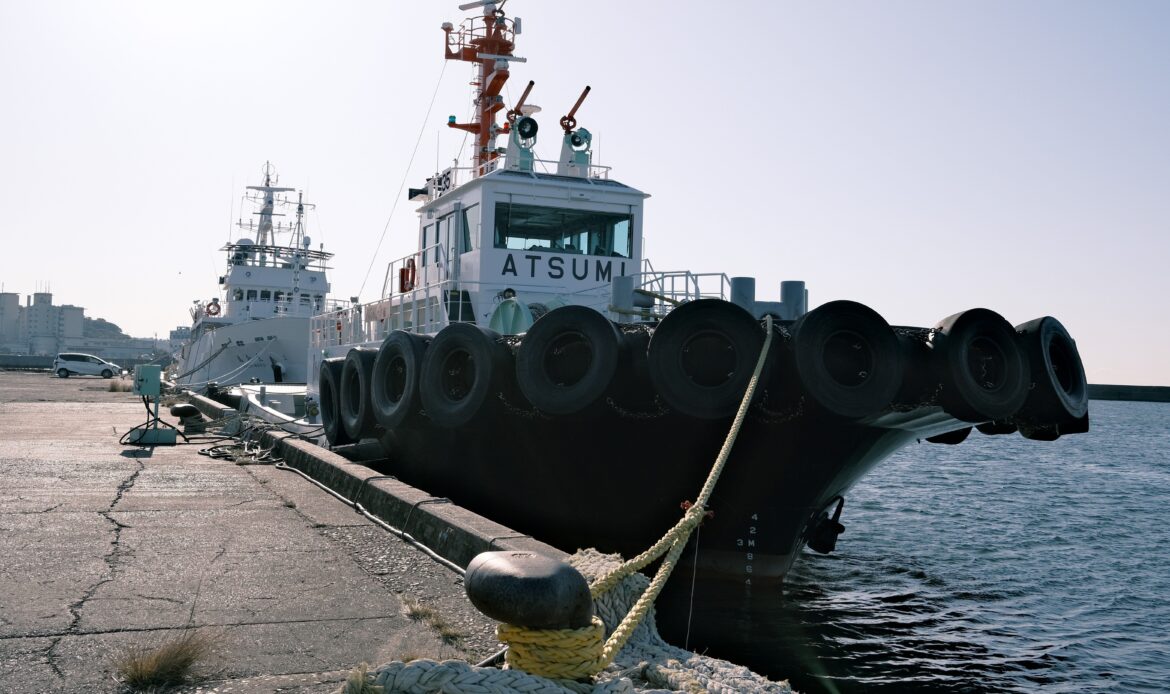
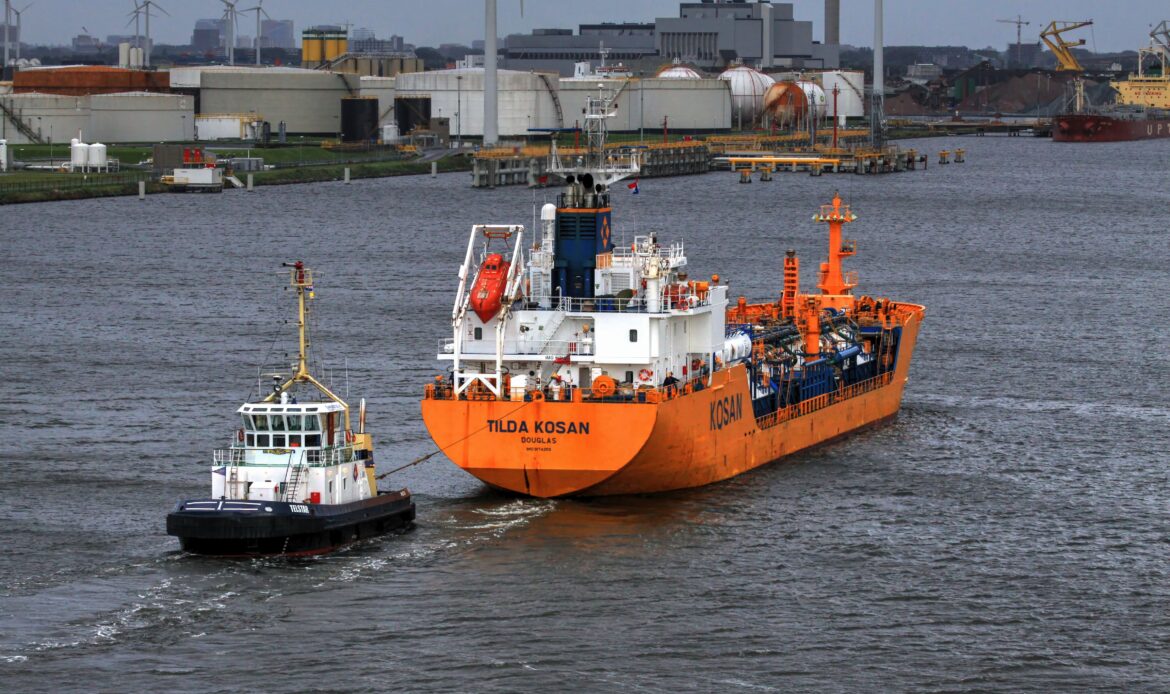
Where tug assistance is required, the parties must agree in advance on the number of tugboats, their positions alongside the vessel, and the intended method of assistance.
Tugboats help control the vessel’s heading, speed, and position in areas where manoeuvring space is restricted. Throughout the operation, VHF communications must be maintained between the bridge, pilot, tugboats, and other relevant parties.
6. Approaching the Berth and Carrying Out Mooring Operations
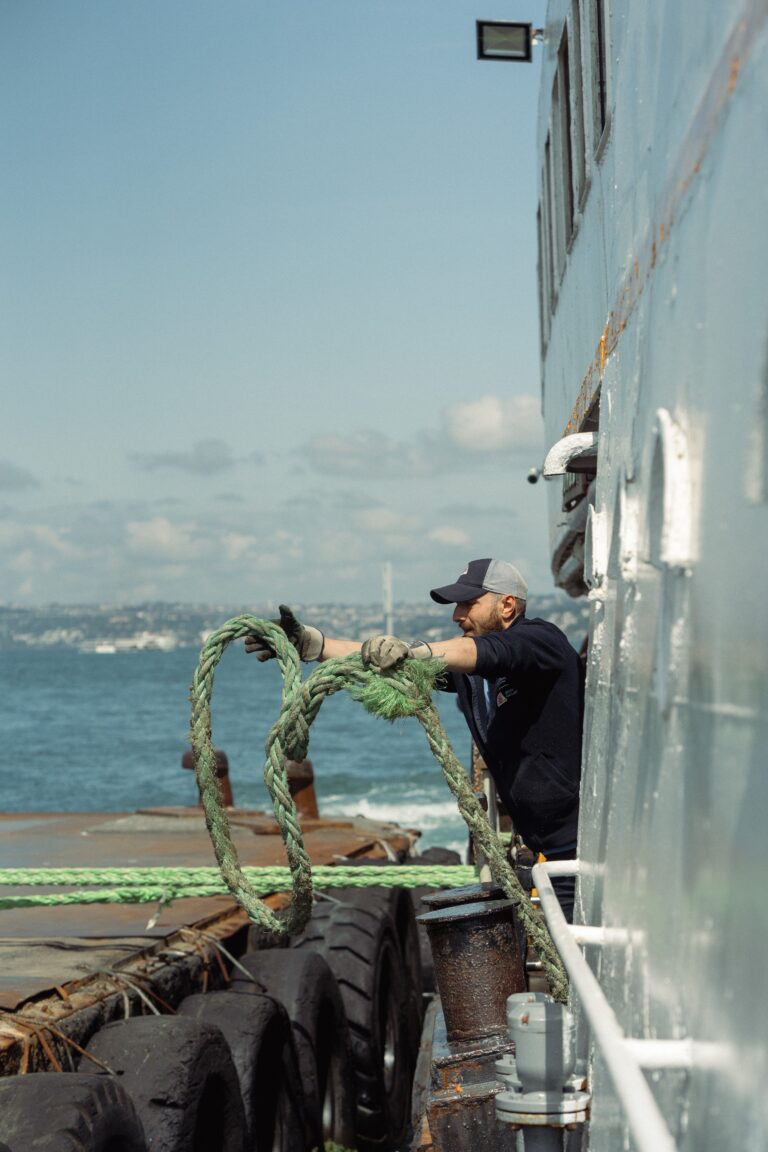
As the vessel approaches the berth, its speed and heading are carefully controlled. Crew members at the forward and aft mooring stations stand ready to receive the mooring lines and run them to the designated shore-side bollards.
Once the lines have been passed ashore and secured to the bollards, the crew adjusts line tension as necessary to keep the vessel safely alongside.
Berthing is considered complete only when the vessel is securely moored, its position relative to the berth and nearby vessels is controlled, and prevailing conditions—including wind, currents, and tidal variations—have been taken into account.
7. Setting Up Safe Access and Preparing for Port Operations
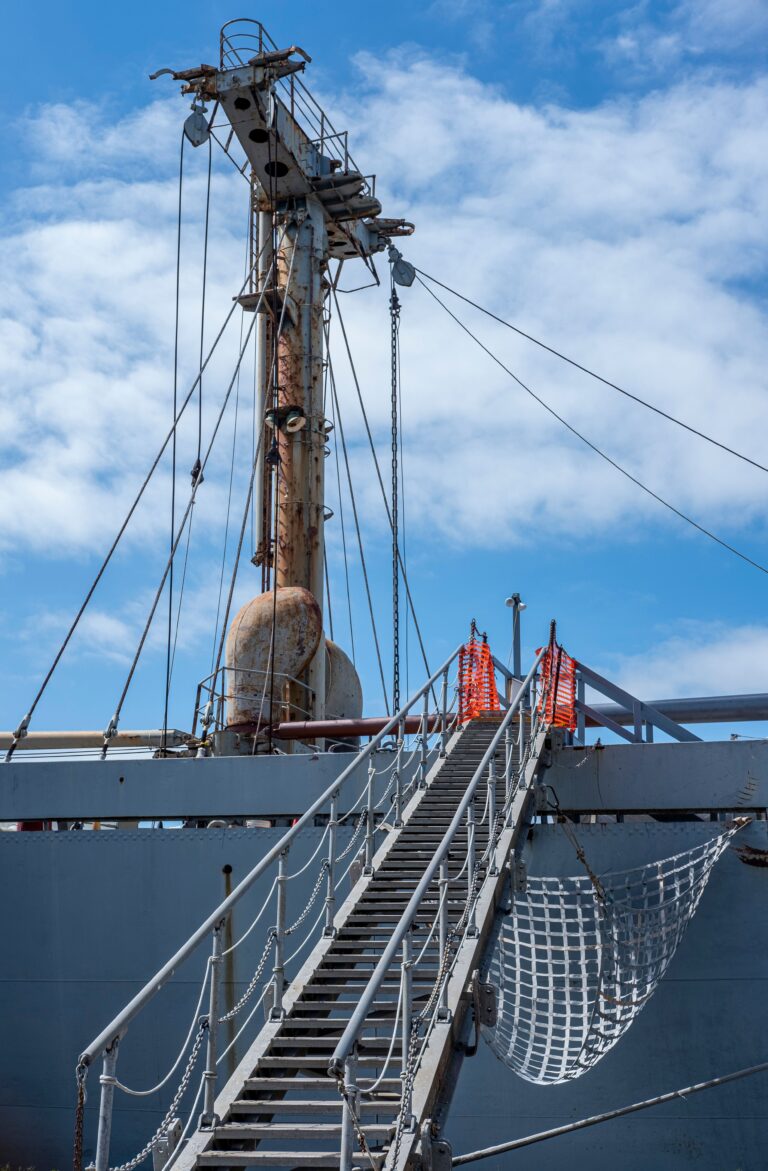
Once the vessel is securely alongside, the accommodation ladder or gangway is deployed and inspected, together with safety nets, lighting, and other supporting equipment.
Safe access must be established and verified before personnel are permitted to board or leave the vessel.
The gap between the vessel and the quay presents a risk of slipping, falling, or falling into the water, particularly when tidal levels or weather conditions change. Establishing safe access is therefore a prerequisite for commencing port operations.
Once these arrangements are completed, the ship’s agent, relevant authorities, cargo-handling operators, and service providers can board the vessel and carry out their respective duties according to plan.
8. Coordination: A Key Factor in Efficient Port Operations
The entire vessel arrival and berthing process relies on close coordination among multiple parties:
- Master and Crew: Ensure that the vessel, equipment, and personnel are fully prepared for arrival and manoeuvring.
- Ship’s Agent: Coordinate documentation, formalities, and information exchange with relevant authorities and service providers.
- Pilot: Assist with vessel navigation and manoeuvring within the port approach channel and port waters, taking actual conditions into account.
- Tugboats: Provide assistance in controlling the vessel’s heading and position whenever required.
- Port and Cargo-Handling Operators: Prepare berths, equipment, manpower, and cargo-handling arrangements.
- Relevant Authorities: Conduct inspections, regulatory checks, and clearance procedures in accordance with applicable requirements.
A vessel arriving at port on schedule depends not only on effective manoeuvring but also on accurate preparation before arrival. Complete documentation, consistent information, operationally ready equipment, and timely coordination among all parties help reduce waiting time, minimize risks, and enable cargo to be handled efficiently.
SAFE BERTHING STARTS WITH THOROUGH PREPARATION
Behind what may appear to be a straightforward berthing operation lies a coordinated sequence of administrative, quarantine, technical, safety, cargo, and operational arrangements.
Each step serves a specific purpose. Only when all procedures are completed in a coordinated manner, at the right time and in accordance with established requirements, can a vessel safely and efficiently transition from being underway to being ready for port operations.
With its experience in ship agency services and port operation support, Sunnytrans works alongside shipowners and businesses to provide professional and dedicated ship agency solutions. Our services help optimize vessel turnaround time, streamline port formalities, and support smooth, reliable port calls throughout every voyage.
—————————————————————–
SUNNYTRANS – Your One-Stop Marine Solutions.
- Address: 146 Khanh Hoi, Khanh Hoi Ward, Ho Chi Minh City, Vietnam, 70000
- Tel: +84 28 3941 1213
- Email: operation@sunnytrans.com.vn