


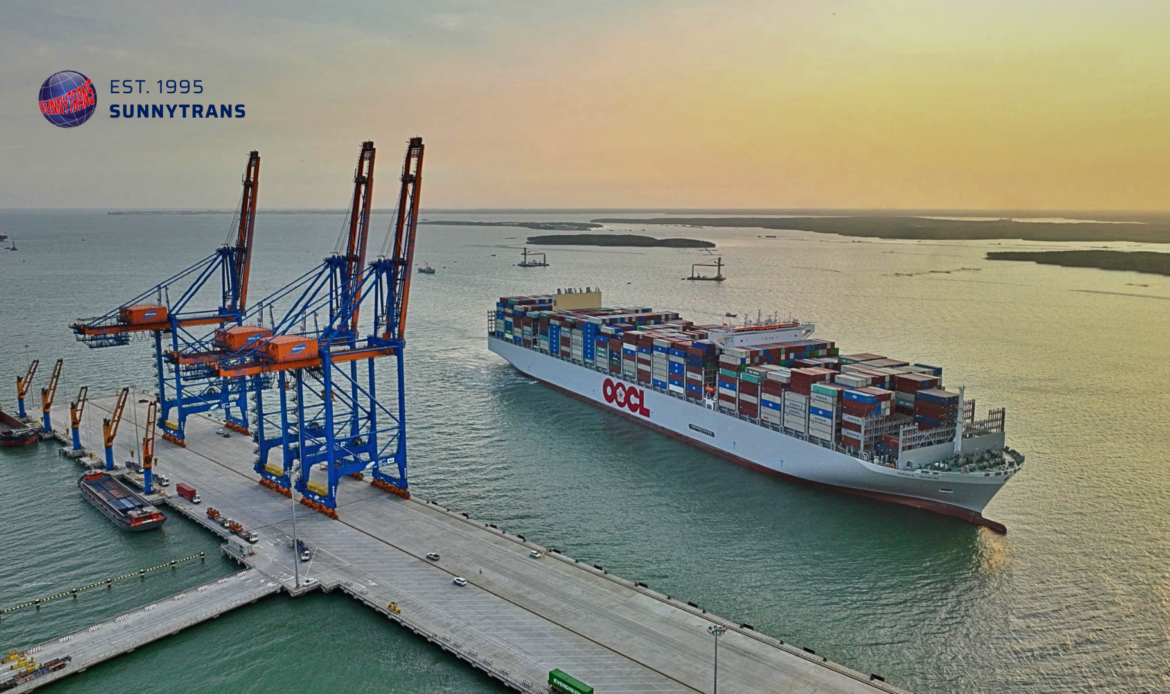
How Is a Shipment from Vietnam Connected to the International Network?
From a warehouse in Vietnam to the final delivery point overseas, every shipment passes through multiple stages involving transportation, documentation, customs clearance, and coordination among various stakeholders. Efficiently connecting these stages is essential for businesses to manage transit times, control costs, and minimize disruptions throughout the international supply chain.
So, what are the key stages in an export shipment’s journey? Let’s explore how Sunnytrans connects each stage, from the point of origin in Vietnam to the consignee’s warehouse overseas.
1. Domestic Transportation and Cargo Consolidation
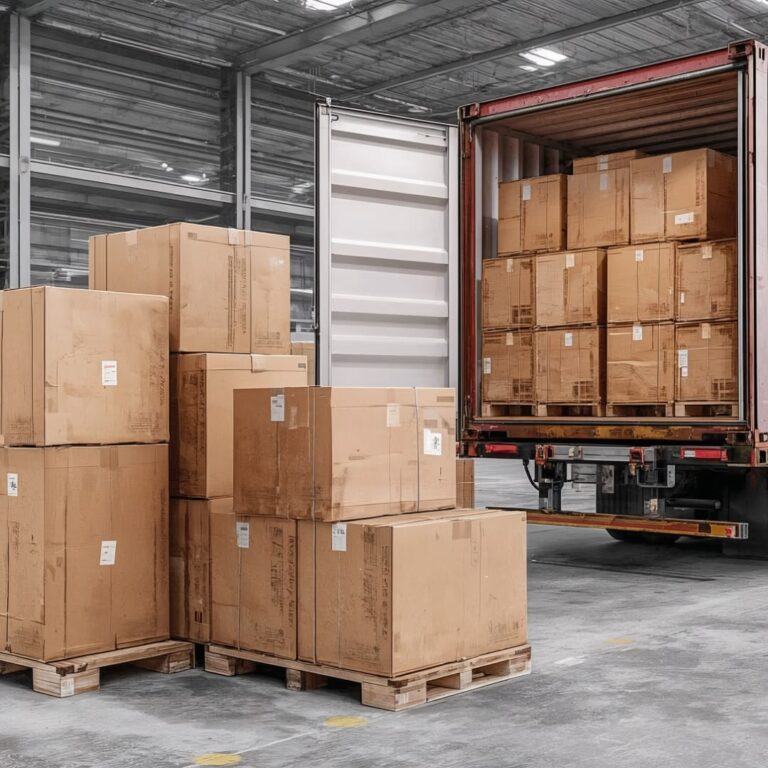
The journey of an international shipment typically begins at the exporter’s factory, warehouse, or manufacturing facility in Vietnam. From there, the cargo is collected, inspected, packed, and transported to an appropriate consolidation point based on the selected mode of transportation.
Depending on the shipment’s characteristics, different handling arrangements may apply:
Ocean Freight: Cargo can be loaded into a Full Container Load (FCL) container at the exporter’s premises or consolidated with cargo from other shippers under a Less than Container Load (LCL) arrangement, typically through a Container Freight Station (CFS).
Air Freight: Cargo is received, inspected, verified against the relevant shipping information, packed in accordance with transportation requirements, and labeled before being delivered to the air cargo terminal.
Express Courier Services: Parcels are sorted, scanned, and processed at the courier operator’s handling and distribution facilities.
Road and Rail Freight: Cargo is consolidated and suitable transport capacity is arranged according to the route, cargo type, and delivery requirements.
At this stage, accurately determining the cargo’s dimensions, gross weight, characteristics, and expected delivery timeline helps businesses select the most suitable transportation solution from the outset.
2. Export Customs Clearance in Vietnam
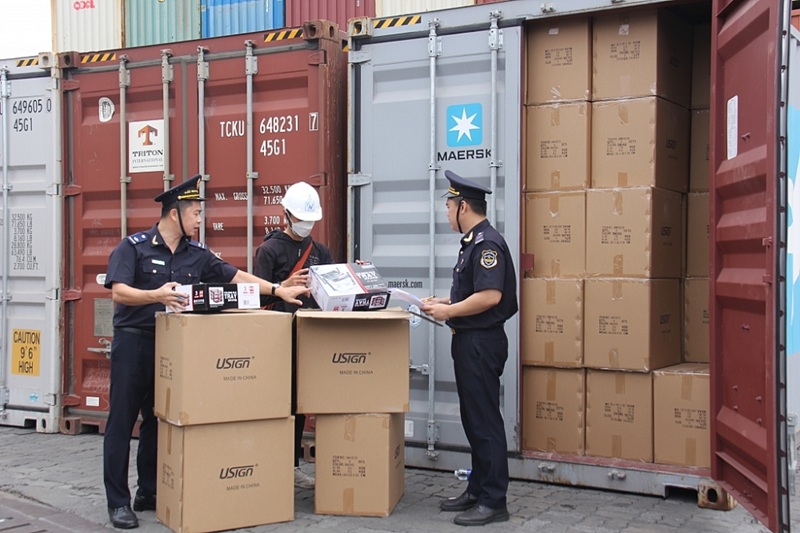
Once the cargo is ready for shipment, the exporter must complete the applicable export formalities before the goods can leave Vietnam.
Preparation of Export Documentation
A typical export document set may include the following:
-
Commercial Invoice: Specifies the buyer and seller details, transaction value, and agreed terms of sale.
-
Packing List: Provides details of the number of packages, weights, and packing specifications.
-
Bill of Lading (B/L) or Air Waybill (AWB): The relevant transport document for ocean freight or air freight, respectively.
-
Certificate of Origin (C/O): Used when applicable and required to certify the origin of goods, including for the purpose of claiming preferential tariff treatment where eligible.
-
Licenses and Specialized Certificates: Required for goods subject to specific licensing, regulatory, or specialized inspection requirements.
Depending on the cargo type, destination market, and mode of transportation, additional documentation may be required.
Customs Declaration and Clearance Procedures
The exporter or an authorized freight forwarder submits the electronic customs declaration, provides the relevant supporting documents, and coordinates with the customs authorities to address any inspection or verification requirements that may arise.
All declared information must be consistent across the cargo details, HS codes, customs value, country of origin, and supporting documentation. Any discrepancies or missing documents may result in requests for additional information, physical inspections, or adjustments to the shipping schedule.
Export customs clearance is more than an administrative formality; it is a critical stage in ensuring that the shipment connects with the planned vessel departure or flight schedule on time.
3. Connecting Through Seaports, Airports, and International Transshipment Hubs
After completing the necessary formalities, cargo is transported to the appropriate seaport, airport, or border gateway to continue its international journey.
Key Export Gateways in Vietnam
Major transportation gateways for export shipments include:
-
Northern Vietnam: Hai Phong Port and Noi Bai International Airport
-
Southern Vietnam: Cat Lai Port, Cai Mep–Thi Vai Port Complex, and Tan Son Nhat International Airport
The choice of gateway depends on the cargo’s pickup location, shipping route, available schedules, handling capacity, and overall logistics costs.
The Role of International Transshipment Hubs
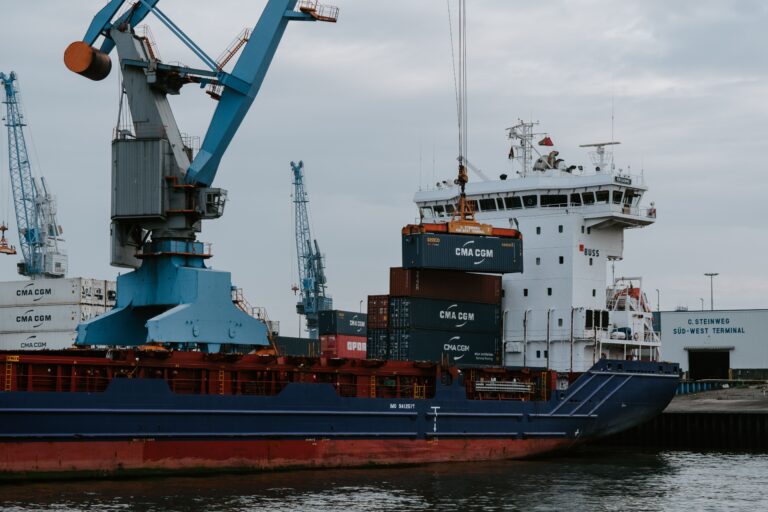
Not every shipment travels directly from Vietnam to its final destination. On certain routes, cargo may pass through international transshipment hubs such as Singapore, Hong Kong, or Busan before being transferred to another vessel or flight.
In ocean freight, this process is commonly known as transshipment, which involves transferring cargo from one vessel to another. Transshipment enables shipments to access a wider network of international shipping routes, but it also requires close coordination of schedules, connection times, and shipping documentation.
A missed transshipment connection can extend transit times and result in additional storage, demurrage, or detention charges, depending on the circumstances. Therefore, shipment tracking and effective coordination with overseas agents, shipping lines, and airlines are essential to maintaining operational efficiency.
4. International Main Carriage
International main carriage refers to the primary transportation leg during which cargo moves from the country of export to the country of import using the selected mode of transportation.
Ocean Freight
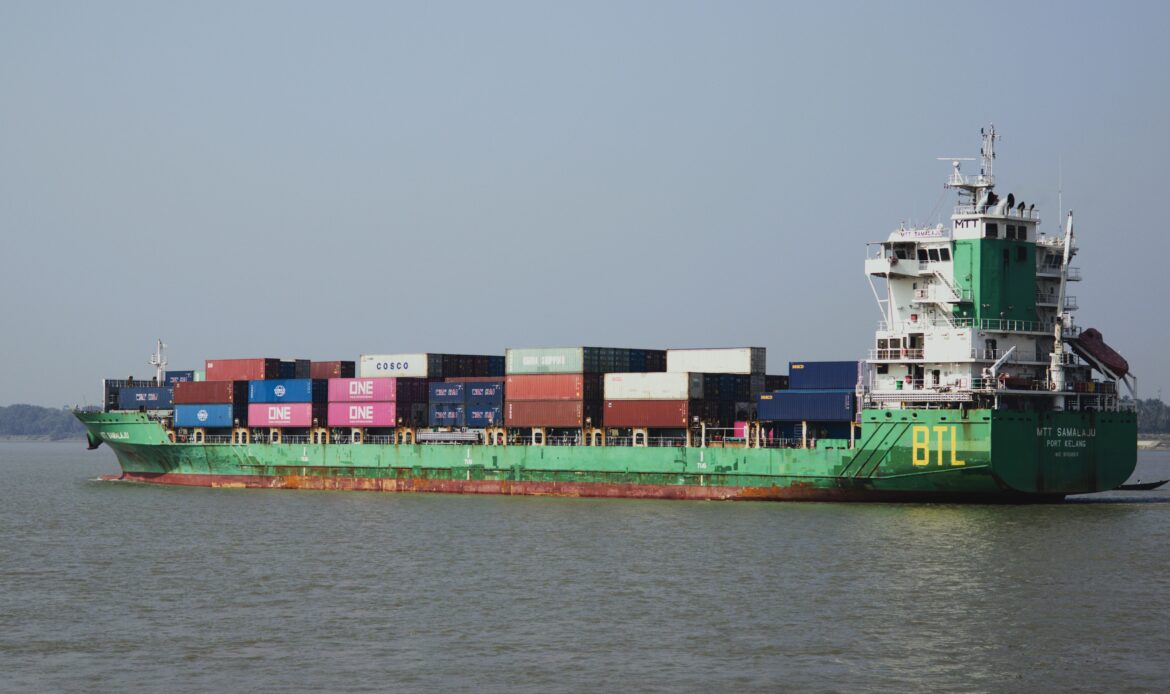
Ocean freight is suitable for a wide range of cargo, particularly large-volume shipments, bulky goods, and consignments that do not require exceptionally short transit times. It offers various container options, sailing schedules, and international shipping routes.
However, actual transit times depend on the route, vessel schedule, transshipment requirements, and conditions at the ports of origin and destination. Businesses should account for both the time spent at sea and the cargo handling time at each port when planning their shipments.
Air Freight
Air freight is suitable for time-sensitive shipments, high-value goods, components, and cargo subject to strict delivery deadlines.
Its speed advantage must be balanced against freight costs, chargeable weight, packaging requirements, and the airline’s cargo acceptance conditions.
Road and Rail Freight
For routes connecting Vietnam with China, ASEAN countries, and suitable transcontinental rail corridors, road and rail freight can provide alternatives or complementary solutions to ocean and air transportation.
The appropriate mode should be selected based on the origin and destination, cargo characteristics, delivery requirements, and the availability of connections between transportation legs.
The optimal transportation solution is not necessarily the fastest or the cheapest. Rather, it is the option that best meets the shipment’s overall requirements for transit time, cost efficiency, and end-to-end visibility and control.
5. Import Customs Clearance and Final-Mile Delivery
Upon arrival in the destination country, the shipment is processed at the relevant seaport, airport, or border gateway before being delivered to the consignee.
Import Customs Clearance
The freight forwarder, importer, or authorized representatives coordinate import customs clearance in accordance with the regulations of the destination country. Depending on the shipment, the required documentation may include the commercial invoice, packing list, transport documents, certificate of origin, and relevant permits.
The importer must fulfill applicable tax and duty obligations and comply with any specialized inspection requirements. Import declarations must be consistent with the export documentation to minimize discrepancies and delays in cargo release.
Final-Mile Delivery Coordination
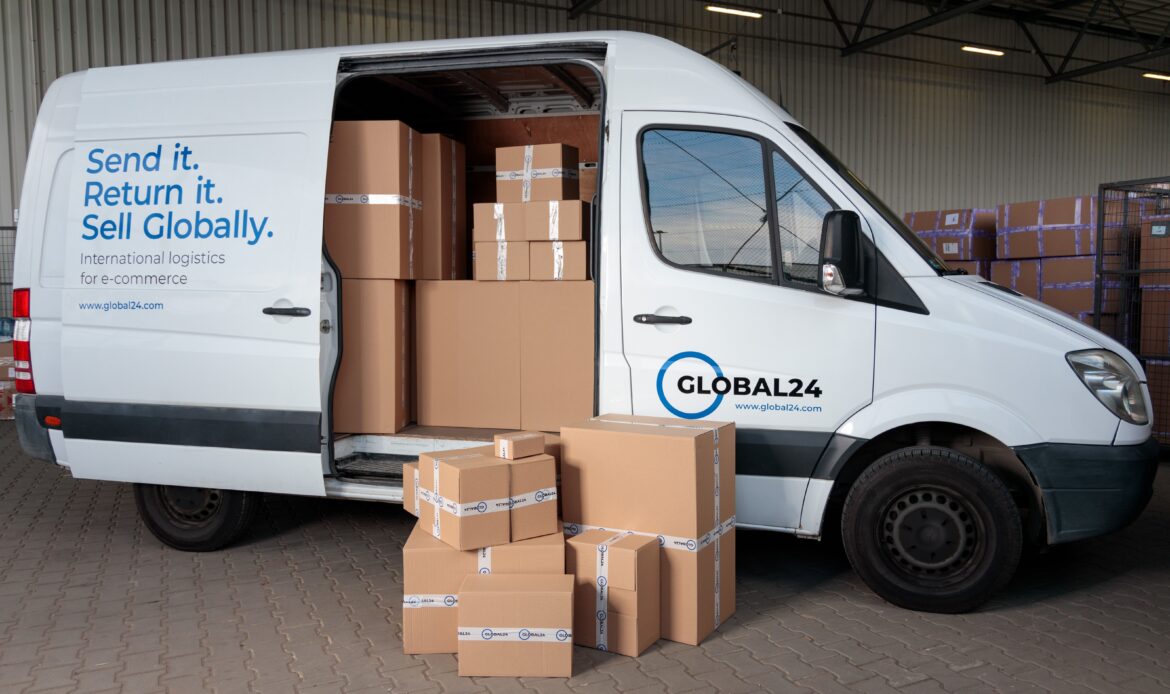
Once customs clearance is completed and all delivery requirements have been met, the cargo is arranged for inland transportation to the consignee’s warehouse or another agreed delivery location.
This stage may involve cargo collection at the port or airport, truck transportation, warehouse delivery, and confirmation of successful receipt. For shipments with special handling requirements, businesses should consider warehouse access conditions, receiving time slots, suitable transport equipment, and applicable safety regulations.
Final-mile delivery completes the logistics journey. Effective coordination at this stage enables businesses to maintain better control over delivery schedules and improve the customer experience in the destination market.
6. Sunnytrans – Optimizing the Entire Logistics Supply Chain
An international shipment involves multiple stages and stakeholders, including exporters, domestic transportation providers, customs authorities, shipping lines or airlines, overseas agents, and consignees.
Consequently, logistics performance depends not only on the quality of individual services but also on how effectively these stages are connected and coordinated.
With experience in logistics and maritime services, Sunnytrans aims to connect transportation activities, coordinate shipping documentation, and facilitate collaboration among relevant stakeholders in line with the specific requirements of each shipment. This approach helps businesses develop suitable logistics solutions, manage shipment schedules, and improve overall supply chain efficiency.
An international shipment requires more than a good transportation route. It requires a well-coordinated logistics network that connects every stage efficiently, from origin to final destination.
Are you looking for a reliable solution to ship your cargo from Vietnam to international markets? Contact Sunnytrans to discuss your shipping requirements, routes, and logistics solutions tailored to your business needs.
SUNNYTRANS
Your one-stop marine solutions
- Address: 146 Khanh Hoi, Khanh Hoi Ward, HCMC, 70000
- Tel: +84 28 3941 1213
- Email: operation@sunnytrans.com.vn