


Why Is Local Port and Logistics Expertise Important?
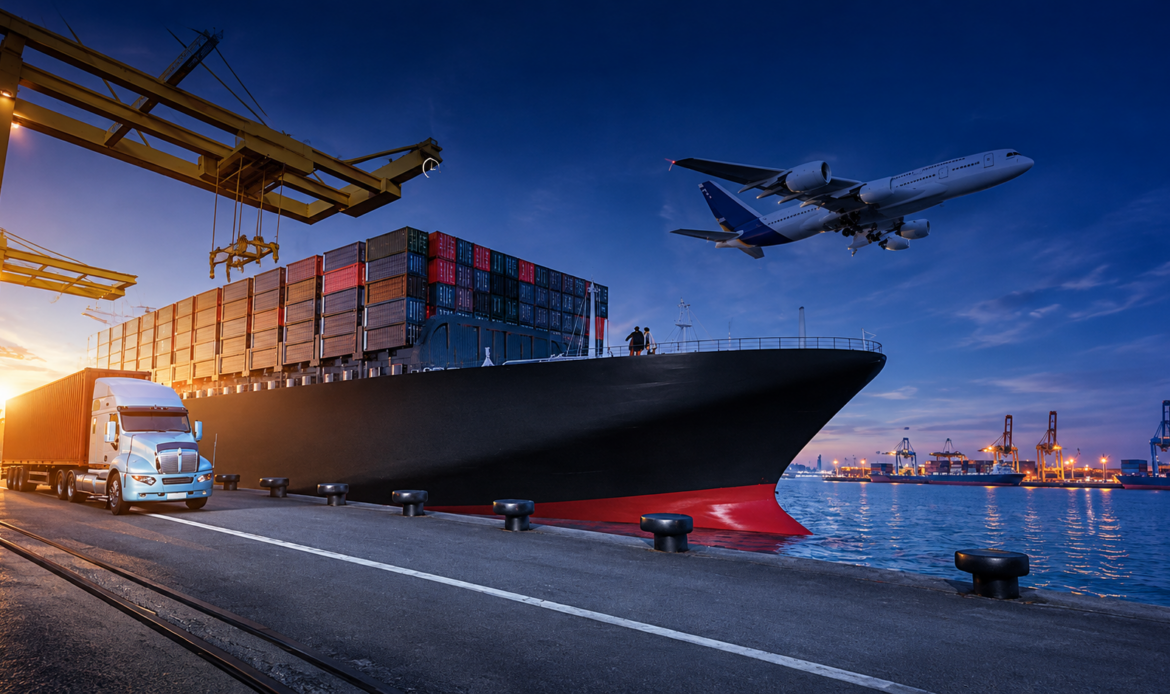
An extensive international transportation network still depends on efficient local execution. The transit time and cost of a shipment are determined not only by its ocean voyage but also by the efficiency of port coordination, compliance with local procedural requirements, and the level of integration between maritime transport, road haulage, warehousing, and other stakeholders.
1. Operational knowledge as the foundation for optimizing port operations
Each seaport, airport, and inland port has its own operational characteristics, ranging from vessel and vehicle handling capacity to equipment availability, cargo handling procedures, and deadlines for completing relevant formalities. A thorough understanding of these factors enables logistics providers to develop transportation plans that reflect actual operating conditions.
Operational Procedures and Critical Cut-off Times
In container shipping, key cut-off times – including the Container Yard (CY) cut-off, Shipping Instruction (SI) cut-off, and Verified Gross Mass (VGM) cut-off – directly affect whether a container can be loaded onto its intended vessel. Specific deadlines may vary depending on the shipping line, vessel schedule, port, and cargo type.
Failure to monitor these deadlines closely may result in a missed sailing, rollover to a subsequent vessel, additional storage charges, or disruptions to the transportation plan. For export shipments, the stuffing schedule, inland transportation arrangements, customs clearance, and container gate-in deadline must be carefully coordinated.
For import shipments, understanding the vessel’s estimated time of arrival (ETA), discharge status, Delivery Order (D/O) release, customs clearance status, and the receiving capacity of warehouses or inland transport providers helps businesses plan cargo collection more effectively.
Port Equipment Capacity and Operating Conditions
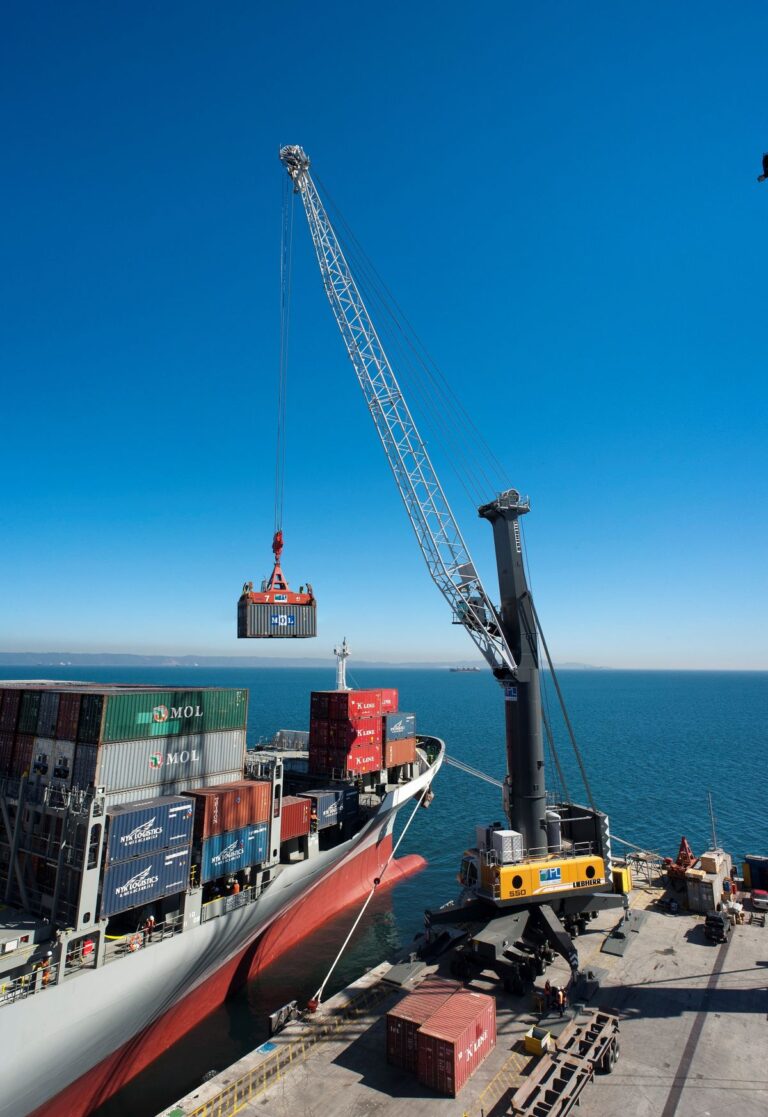
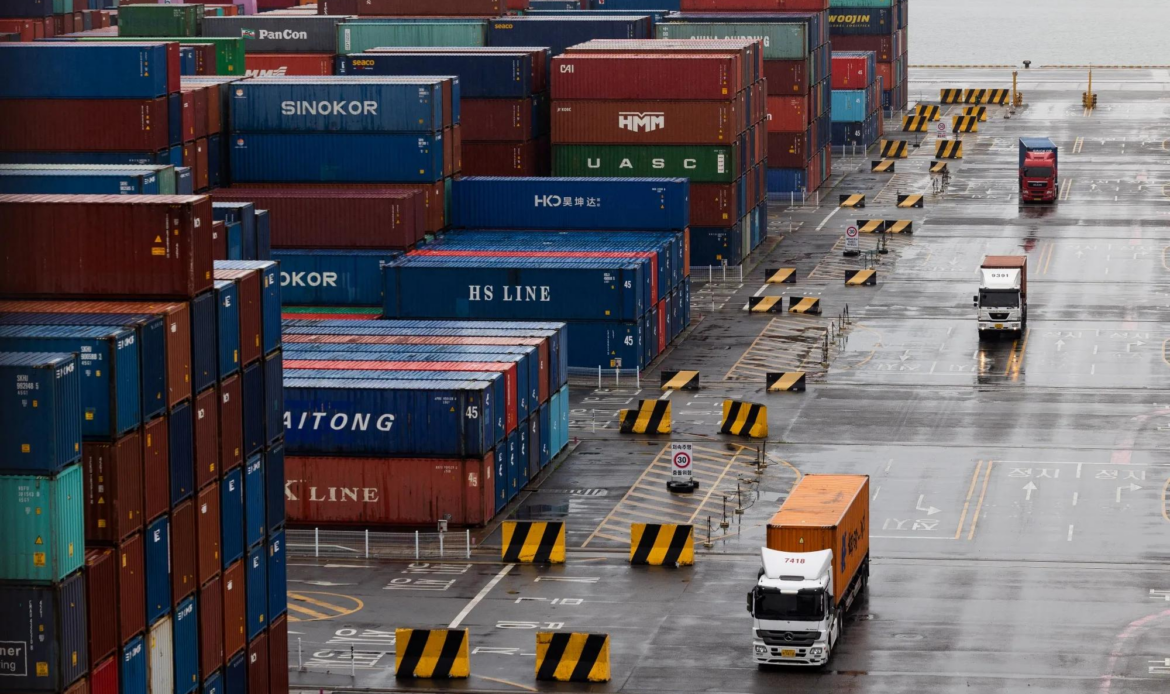
Port performance depends not only on terminal size and yard capacity but also on equipment availability, cargo handling productivity, vessel berthing capacity, and congestion levels at any given time.
For example, the productivity of Ship-to-Shore (STS) cranes, the availability of container yard handling equipment, berth waiting times, and gate congestion can all affect vessel turnaround time and cargo release schedules.
Access to up-to-date operational information enables businesses to assess the feasibility of their plans, allocate transport resources appropriately, and adjust arrangements proactively when vessel schedules or cargo acceptance conditions change. This also helps reduce vehicle waiting times and minimize avoidable operating costs.
Coordination Among Port and Logistics Stakeholders
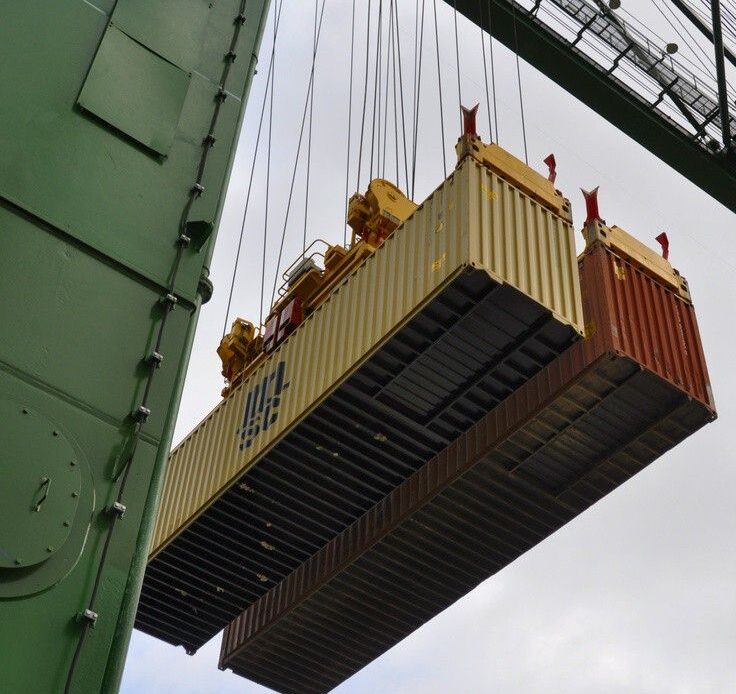
Port operations involve multiple stakeholders, including shipping lines, terminal operators, vessel agents, freight forwarders, transport providers, customs authorities, and relevant regulatory agencies where applicable.
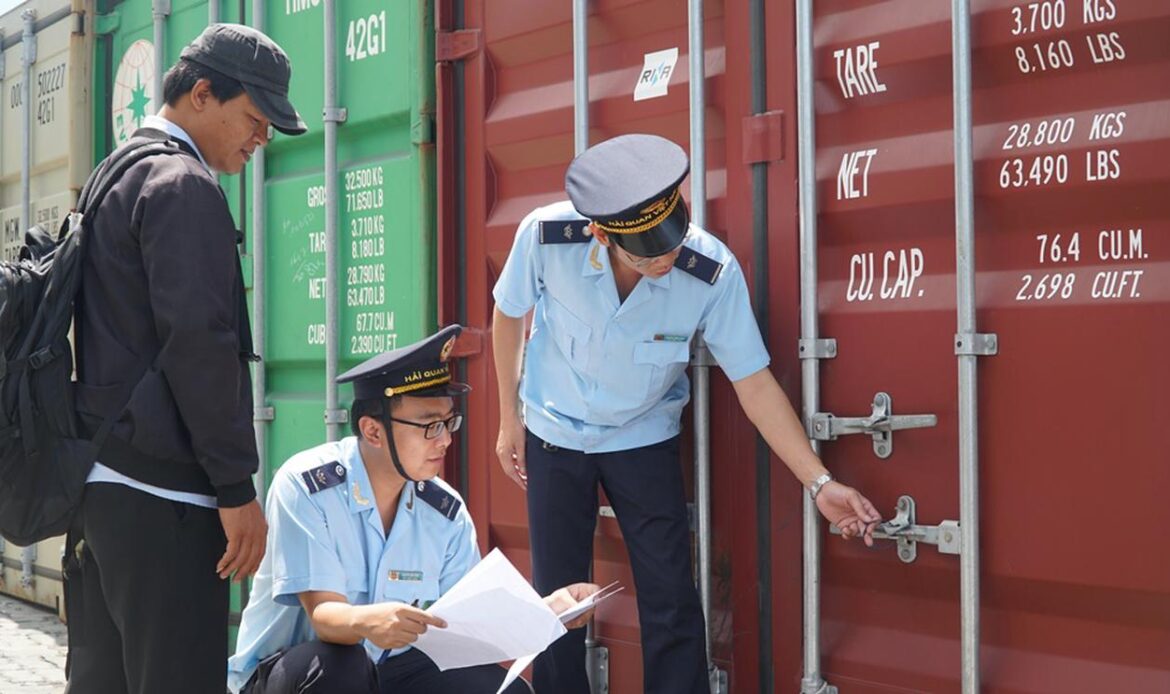
When discrepancies arise in shipping documents, container seal irregularities occur, delivery arrangements change, or cargo release is delayed, identifying the responsible party and following the appropriate escalation procedures are essential.
Strong local coordination ensures that information reaches the right stakeholders, reduces unnecessary communication through multiple intermediaries, and enables parties to agree on appropriate corrective actions based on the actual shipment status.

2. Local expertise: staying ahead of operational variables
Logistics operations are shaped not only by general regulations and scheduled transport services but also by traffic conditions, area-specific management requirements, the characteristics of individual border checkpoints, and the service capabilities of local providers.
Understanding Customs Procedures and Documentation Requirements
Each shipment may be subject to different requirements depending on its Harmonized System (HS) code, country of origin, commodity-specific policies, import/export regime, and applicable specialized regulatory controls.
Documentation must be prepared in accordance with the requirements applicable to each shipment. These may include the commercial invoice, packing list, bill of lading, certificate of origin, and any mandatory permits or specialized certificates, where applicable.
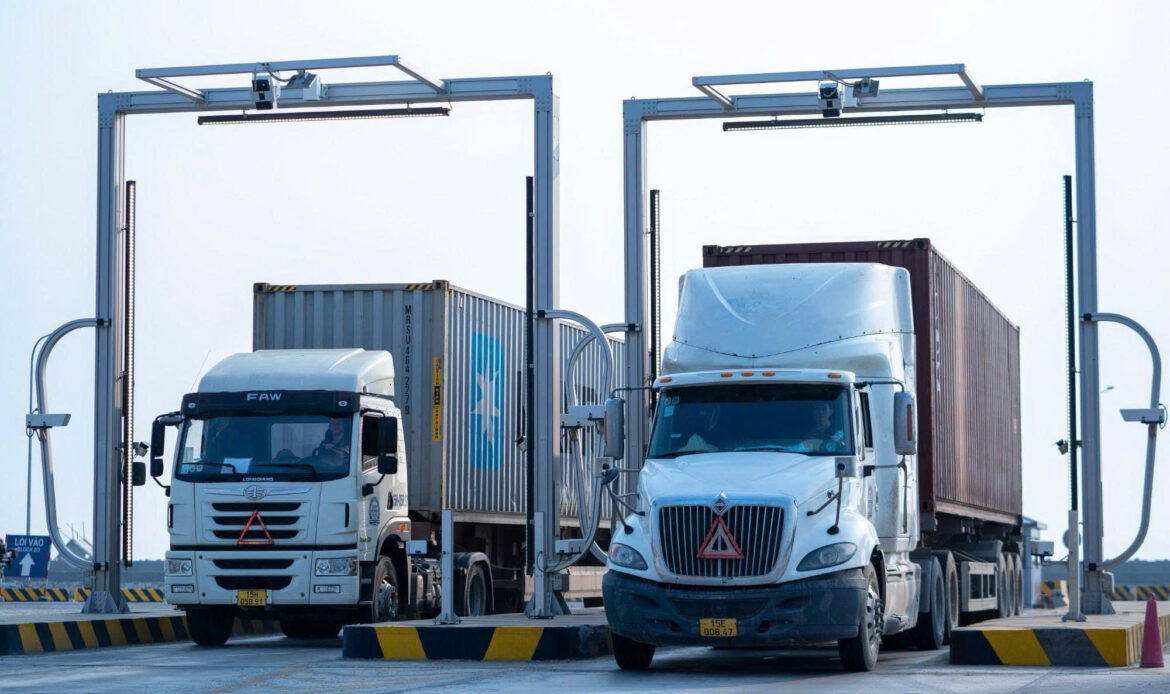
Under Vietnam’s electronic customs clearance system, green, yellow, and red channel assignments determine the subsequent inspection and processing requirements in accordance with applicable regulations. Businesses should allow for appropriate processing time rather than assuming that every shipment will be cleared within the same timeframe.
A sound understanding of local border-gate procedures, combined with up-to-date regulatory knowledge, helps businesses identify documentation discrepancies early, minimize repeated requests for supplementary documents, and reduce the risk of delivery delays.
Optimizing Inland Transportation and Port Hinterland Connectivity
Logistics efficiency depends significantly on the connectivity between ports and industrial parks, distribution centers, bonded warehouses, Inland Container Depots (ICDs), and final delivery locations.
In areas with high traffic volumes, route planning must account for truck access restrictions, vehicle weight limits, road access conditions for specific vehicle types, warehouse operating hours, and customers’ receiving schedules. Traffic congestion, infrastructure works, extreme weather, and tidal flooding may also affect actual transit times.
An effective inland transportation plan should therefore be based on realistic transit time estimates, delivery and collection time windows, vehicle dispatching capabilities, and alternative routing options where necessary.
For containerized cargo, synchronizing pickup or delivery schedules with terminal operating windows also helps reduce truck waiting times and the risk of incurring demurrage, detention, storage charges, or other costs associated with extended equipment or vehicle use. Actual charges depend on the applicable contractual terms, published tariffs, and free-time allowances established by the relevant shipping line or terminal operator.
Adapting to Local Conditions and Regulatory Requirements
Beyond foreseeable operational factors, logistics activities may also be affected by unexpected events, such as vessel schedule changes, equipment shortages, disruptions to port electronic systems, additional physical inspections, or adjustments to cargo delivery arrangements.
In such circumstances, familiarity with local service providers’ capabilities, coordination procedures among stakeholders, and viable alternative arrangements enables businesses to assess the situation more quickly.
However, effective problem-solving requires more than local experience. It also depends on verified information, solutions that comply with applicable regulations, and approval from the relevant authorized parties. These elements provide a controlled and structured approach to disruption management rather than simply reacting after delays have affected the schedule.
3. Three core benefits of local logistics expertise
Improving Coordination and Reducing Processing Time
When stakeholders have a clear understanding of operational procedures, responsible contacts, and applicable deadlines, communication and execution become more consistent.
Accurate information on cargo status, vessel schedules, customs clearance progress, and transport arrangements reduces repetitive verification and discrepancies between planned and actual operations. This improves coordination throughout the shipment journey, from origin port to destination port and final delivery point.
Controlling Costs and Mitigating Operational Risks
Logistics delays may result in additional costs, including detention charges for container use beyond the agreed free time, terminal or yard storage charges, vehicle waiting fees, and expenses associated with transportation rescheduling.
These charges do not necessarily arise under the same circumstances. Businesses must distinguish between the applicable charging conditions specified in contracts, shipping line terms, and port or terminal tariffs.
By monitoring critical deadlines, verifying documentation completeness, and synchronizing inland transportation schedules, businesses can identify potential cost exposure earlier. The objective is not only to reduce direct expenses but also to minimize indirect losses resulting from late deliveries, production disruptions, or failure to meet customer commitments.
Enhancing Supply Chain Visibility and Transparency
Real-time shipment visibility depends on data quality, update frequency, and the level of connectivity between stakeholders across the transportation chain.
Information concerning vessel arrival times, container status, customs clearance progress, cargo collection schedules, and proof of delivery must be updated consistently to provide an accurate picture of the shipment’s actual status.
When operational data is combined with effective local coordination, businesses can keep customers informed, adjust warehousing arrangements, and allocate resources more effectively. This is particularly important for shipments with strict delivery windows or those supporting continuous production operations.
4. Sunnytrans – Connecting local expertise with global logistics networks
In an increasingly demanding logistics environment, where accuracy and coordination are essential, local operational capabilities must be integrated into the entire transportation journey. An effective logistics plan requires more than selecting a suitable transport route; it must also account for port operating conditions, documentation requirements, inland connectivity, and contingency arrangements for unexpected disruptions.
The combination of accurate operational information, a thorough understanding of local conditions, and end-to-end coordination provides a foundation for Sunny Trans to manage schedules more effectively, mitigate operational risks, and develop flexible supply chain solutions for its customers.
SUNNYTRANS
Your One-stop Marine Solutions.
-
Address: 146 Khanh Hoi, Khanh Hoi Ward, Ho Chi Minh City, Vietnam, 70000
-
Tel: +84 28 3941 1213
-
Email: operation@sunnytrans.com.vn